
Key points
- Heat networks are now formally regulated by Ofgem under the Market Framework Regulations 2025
- Operating without authorisation after January 2027 is a criminal offence
- Most operators need a suite of compliance documents covering consumer protection, financial resilience, and supply continuity
- Penalties for non-compliance can reach 10% of turnover
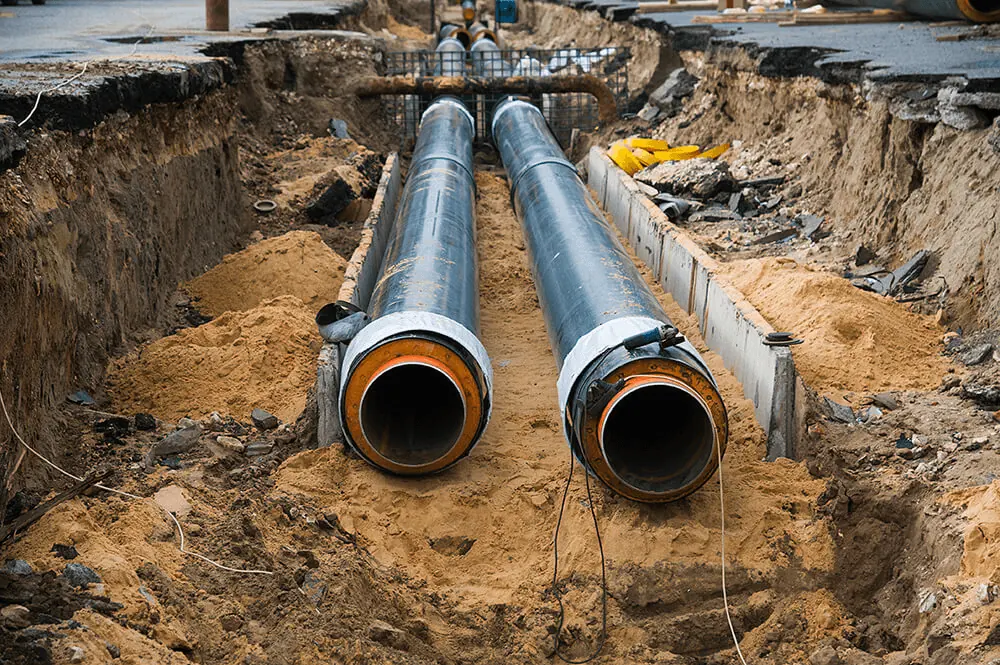
If you operate a heat network in Great Britain – district, communal, or ambient loop – you now need Ofgem’s permission to do so. The Heat Networks (Market Framework) (GB) Regulations 2025 brought heat networks under formal regulation for the first time. Operating without authorisation is a criminal offence. See Ofgem's heat networks regulation page for the detail.
The deadline to register with Ofgem is 26 January 2027. Most operators have not started.
Why this is happening now
Heat network consumers cannot choose their supplier. Unlike gas or electricity customers, they have no switching mechanism and, until recently, had limited statutory protections. The Competition and Markets Authority flagged this in 2018. The Energy Act 2023 responded by appointing Ofgem as the sector’s regulator, and the Market Framework Regulations now set out what operators must do.
The short version: if you supply heat to people, you are now regulated in much the same way as a gas or electricity company. The obligations are real, the enforcement powers are significant, and the penalties can reach 10% of turnover.
What the regulations require
Authorisation
Every operator must obtain authorisation from Ofgem. Existing operators are deemed authorised during the transition period, but must complete formal registration by January 2027. This is not a paper exercise – Ofgem expects documentary evidence across multiple condition areas.
Consumer protection
Transparent billing that meets Ofgem’s model bill requirements, a formal complaints procedure with escalation to the Energy Ombudsman after eight weeks, a Consumer Welcome Pack issued at first supply, and a Priority Services Register for vulnerable consumers. These are conditions of authorisation, not guidelines.
Financial resilience
Adequate working capital, insurance, emergency funding – documented in a Financial Resilience Statement. Ofgem needs confidence that you will not become insolvent and leave consumers without heat. See our financial resilience guide for what to include.
Supply continuity
Contingency arrangements for maintaining supply during disruption, including step-in procedures if the operator fails. This is the area Ofgem scrutinises hardest. See our supply continuity guide.
Data reporting
Quarterly and annual submissions to Ofgem covering consumer numbers, complaints, supply interruptions, and Priority Services Register usage.
Technical standards (HNTAS)
The Heat Network Technical Assurance Scheme introduces phased requirements for metering accuracy, water treatment, supply reliability, and consumer outcomes. HNTAS is expected to launch in 2027, but the draft technical standard (TS1) is already published. Operators should be assessing their networks now.
What documents do operators need?
Most operators need eight core documents: an HNO Readiness Pack, Financial Resilience Statement, Supply Continuity Plan, Model Compliant Bill, Consumer Welcome Pack, Priority Services Register, Ofgem Data Reporting Tracker, and Staff Training Register. Depending on network profile, specialist registers for HNTAS assessment, water treatment, metering compliance, and complaints may also be needed.
The Readiness Pack is where to start – it maps your position against every other document area and shows you exactly where the gaps are.
Scotland
Scottish operators face the Market Framework Regulations 2025 plus the Heat Networks (Scotland) Act 2021. The Scottish Government has replaced the originally planned mandatory licensing regime with an opt-in installation and maintenance licence, but the GB-wide Ofgem authorisation requirements still apply in full.
What to do next
Ofgem’s heat networks regulatory page has the authorisation conditions and registration guidance. If you want to understand which documents sit with which team, see our responsibilities guide.
All 14 compliance documents are available individually or in bundles from £495 plus VAT. View the full product catalogue. You can compare bundle tiers side by side.

Frequently asked questions
What is heat network compliance?
Heat network compliance refers to meeting the authorisation conditions set out under the Heat Networks (Market Framework) (Great Britain) Regulations 2025. Operators must register with Ofgem and demonstrate structured documentary evidence across consumer protection, financial resilience, supply continuity, billing, and technical standards before the 26 January 2027 deadline.
Who regulates heat networks in the UK?
Ofgem is the dedicated regulator for heat networks across Great Britain under the Heat Networks (Market Framework) (Great Britain) Regulations 2025. The Energy Ombudsman handles consumer complaints from 1 April 2025.
What happens if a heat network operator does not register with Ofgem?
Operating a heat network without authorisation after 26 January 2027 is a criminal offence under the 2025 Regulations. Ofgem has enforcement powers equivalent to those it holds over gas and electricity suppliers, including penalties and revocation.
Does heat network compliance apply in Scotland?
Yes. The Heat Networks (Market Framework) (Great Britain) Regulations 2025 apply across England, Scotland, and Wales. Scottish operators must meet the same Ofgem authorisation conditions, with the same January 2027 deadline. Scotland is also consulting separately on an opt-in installation and maintenance licence.
How long does it take to prepare compliance documents?
Preparation time depends on how much operational data you already hold. Operators using pre-built professional documents typically complete and populate them within one to two weeks. Building documents from scratch takes considerably longer and carries a higher risk of gaps against Ofgem's specific requirements.